Rough Dog Play: When It’s Fine and When It’s Not
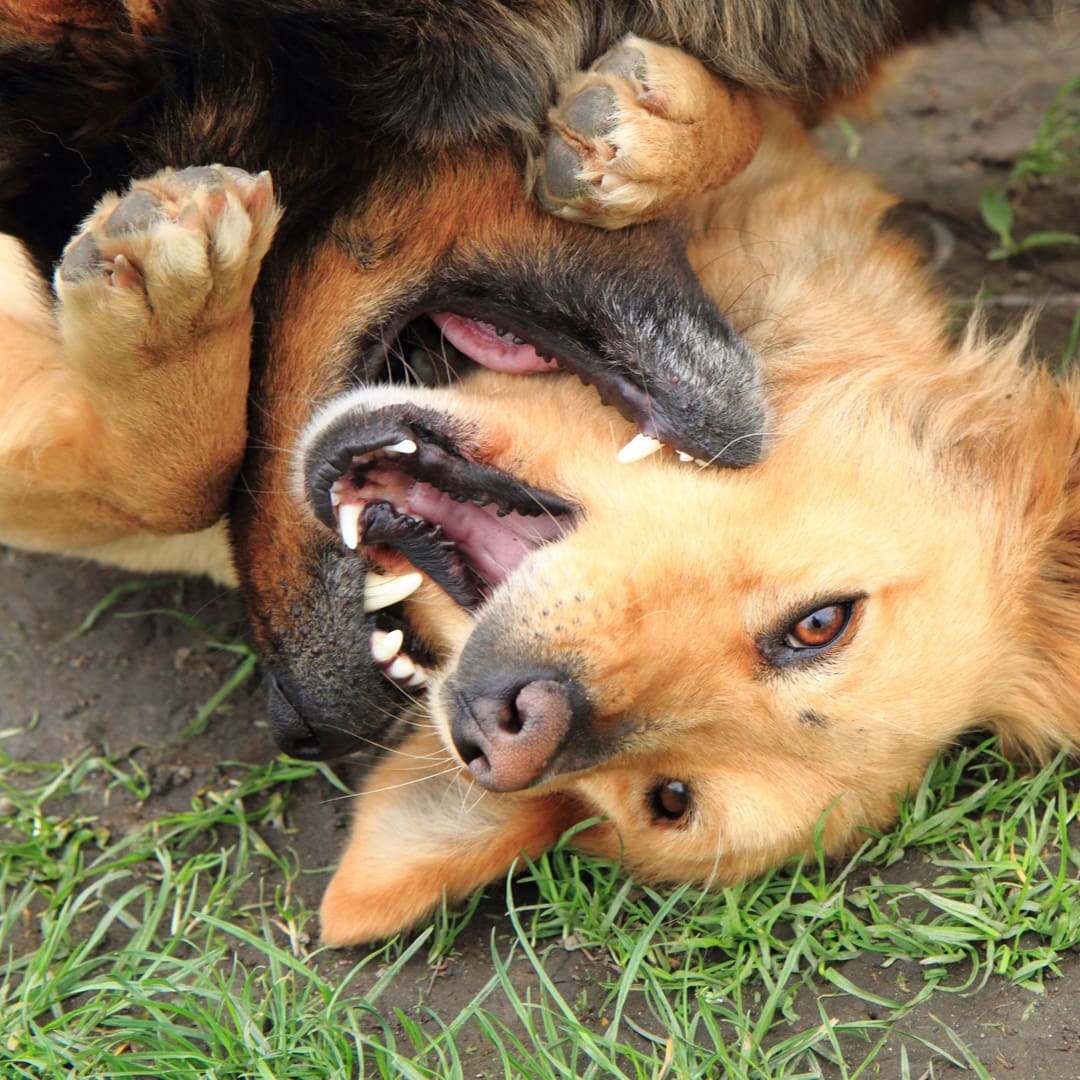
Rough play can look intense.
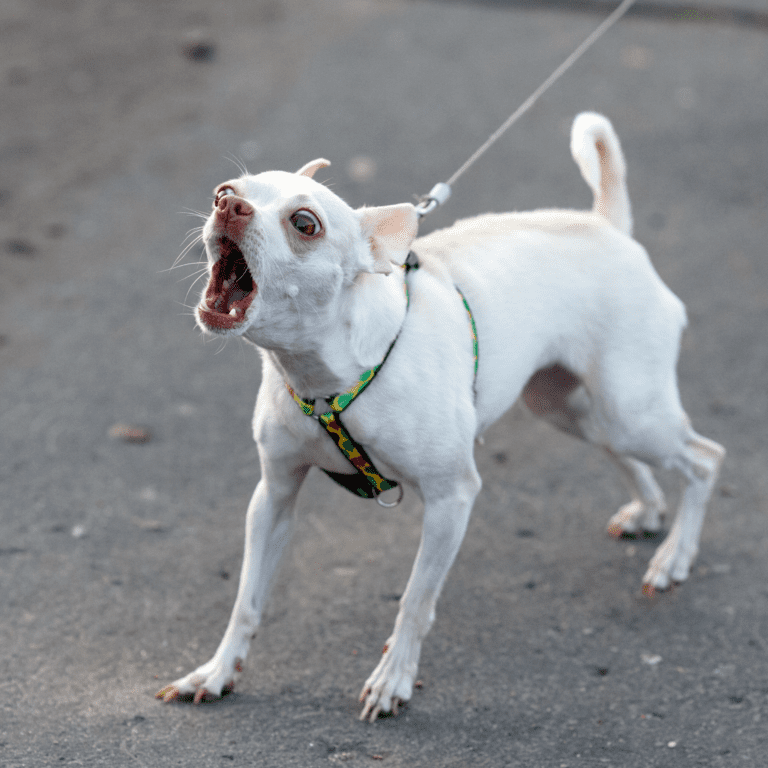
Growling, chasing, body slamming, wrestling. It can sound aggressive, especially if you’re not sure what you’re looking at.
So the question becomes:
Is this normal, or is it a problem?
And maybe more importantly,
What happens when you step in?
Rough Play Isn’t the Problem
Many dogs play this way.
It can be social and physical, and completely appropriate when both dogs are engaged and choose to participate.
The intensity alone is not what makes it an issue.
What matters more is whether you still have any control.
If the play starts, escalates, and ends without you being able to guide the moment, that’s where things can begin to break down.
Control Matters More Than Play Style
It’s easy to focus on how the dogs are playing:
Is it too rough? Too loud? Too much?
But a more helpful question is:
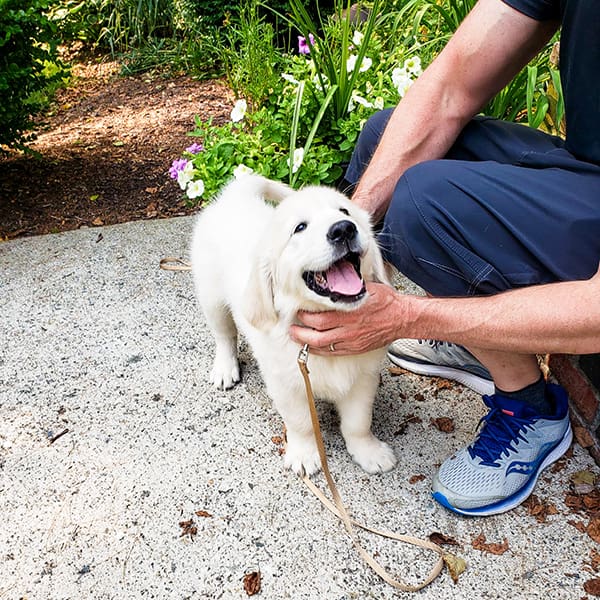
Can you call your dog out of play, back to you?
If they listen, do they respond right away, or do they blow you off?
That moment tells you a lot about your dog’s ability to stay connected to you.
It’s not about whether your dog is “good” or “bad.”
It’s about how clearly they understand you in that environment, especially around distractions.
And it’s good to trust your instinct here.
If something about the play feels off to you, it’s worth paying attention to that.
You don’t need to overanalyze every moment, but you also shouldn’t ignore what you’re seeing.
When Freedom Comes Too Soon
This is where many situations get harder than they need to be.
Dogs are often given more freedom before they are ready to handle it.
Dog parks, off-leash areas, or free play with other dogs can seem like the next step, especially when your dog enjoys them.
But if your dog cannot come back to you in those moments, they are not quite ready for that level of freedom yet.
That’s not a failure.
It just means there is more to build.
Your dog is still learning how to shift out of that high-energy state and reconnect with you.
The Off-Switch Is What Makes Play Safe
Play is not just about energy going up.
It’s also about the ability to come back down.
Your dog needs a way to settle when asked, not just when they are tired.
A dog that can move from excitement to calm with your guidance is a dog you can trust in more situations.
If your dog stays “on,” struggles to disengage, or takes time to settle, that’s simply information.
It shows you where they need more support.
What This Often Connects To
You may notice this pattern in other areas as well:
- difficulty on walks around distractions
- overexcitement with people or other dogs
- ignoring cues in higher-energy moments
- trouble settling at home
It’s often the same thread running through all of it.
High energy, without a clear way to come back to calm.
How to Begin Shifting It
The goal is not to stop play.
It’s to stay connected to your dog within it.
That usually starts outside of play, where things are quieter and easier to influence.
You might begin by:
- practicing recall in lower-distraction environments
- calling your dog out of play early, before it builds too much
- acknowledging and reinforcing when your dog chooses to disengage
- building their ability to settle, not just to release energy
This is where training becomes something your dog can rely on, even when things are more exciting.
Start with the Off-Switch
If your dog does not yet have a clear way to settle, that is a good place to begin.
That skill tends to carry into everything else.
→ Read: Teaching Your Dog the Place Command
The Bottom Line
Rough play, on its own, is not the issue.
What matters is your ability to guide your dog within it.
When your dog can come back to you, shift with you, and settle when needed, play becomes something you can allow and even enjoy.
Until then, your role is to support them in learning how to get there.