
Remote Collar Training
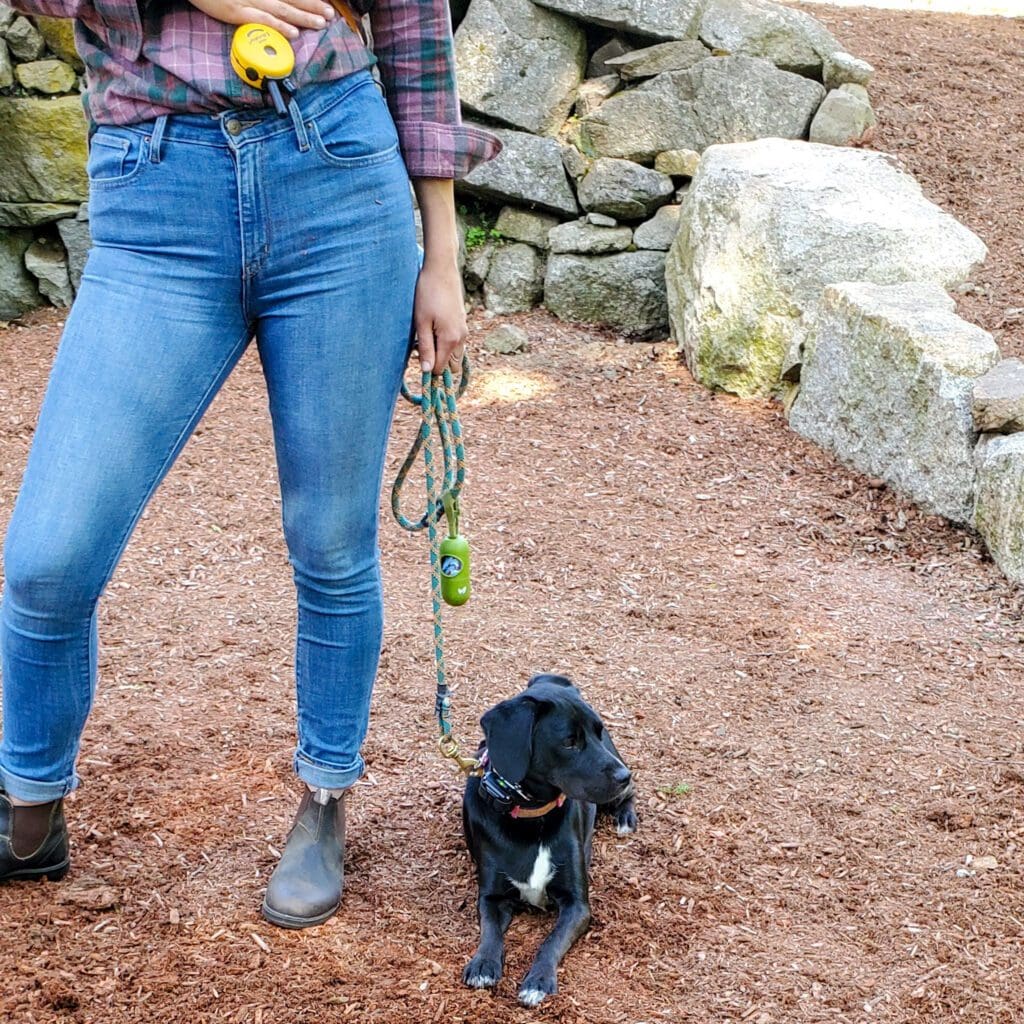
Clear Communication When the Leash Isn’t Enough
Some dogs make great progress with basic training, but still struggle with reliability in the moments that matter most.
Walks can feel unpredictable. A dog who listens at home may suddenly ignore commands when excitement or distractions increase.
A dog may walk nicely on a leash yet ignore “come” in the woods, become overwhelmed around distractions, or lose control when excitement builds.
Remote Collar Training gives owners another way to communicate clearly with their dog when the leash alone isn’t enough to help them focus.
This program is for:
- Owners who want the freedom to hike, explore, and enjoy time off-leash with their dog
- Reactive, overexcited, or overwhelmed dogs who need precise guidance around other dogs or people
- Strong, determined dogs who pull, ignore the leash, or seem impossible to guide in exciting situations
- Nervous or flight-risk dogs who bolt, ignore recall, or panic in new environments
Although remote collars are often associated with off-leash training, most learning actually happens on leash first. Owners learn to communicate clearly with their dog and introduce the tool step by step before giving more freedom.
Explore Remote Collar Training
- Who This Training Is For?
- What is a Remote Collar?
- How Training Works
- Program Details & Price
- Start the Assessment
Leadership Comes First
The remote collar is only a tool. It does not replace leadership, structure, or relationship with your dog.
Successful Remote Collar Training relies on the same principles taught in our Foundation Training program: clear expectations, consistent routines, and calm leadership from the owner.
Without those elements in place, the collar cannot create lasting change. With them, it becomes a powerful way to communicate clearly and consistently with your dog.
Throughout the program, owners continue to develop the leadership skills, household structure, and relationships that allow the training to succeed.
The collar simply allows that communication to reach farther and remain reliable even in challenging situations.
Structure at Home
For dogs working through more serious behavior challenges, the structure inside the home becomes even more important.
Remote Collar Training works best when dogs have clear routines and predictable expectations throughout the day. This includes what we call Full Crate Training, where dogs learn to rest calmly in a crate when they are not actively engaged with the household.
Many dogs who struggle with reactivity, overstimulation, or impulse control have simply never learned how to fully settle. Teaching a dog to relax in a crate helps build the calm state of mind that supports better decisions everywhere else.
Crate structure also provides safe management and prevents dogs from rehearsing behaviors that can escalate.
If crate training is new to you, we guide you through the process step by step.
Understanding the Remote Collar
The remote collar is widely misunderstood. Modern remote collars use very low-level stimulation similar to TENS technology, which is commonly used in physical therapy and chiropractic treatment for humans.
When introduced correctly, the sensation acts like a tap on the shoulder that helps dogs notice guidance from their owner.
Over time, the way the owners use the e-collar naturally changes. When training is practiced consistently, most owners find they need to use it far less often as their dog begins responding reliably to voice and guidance.
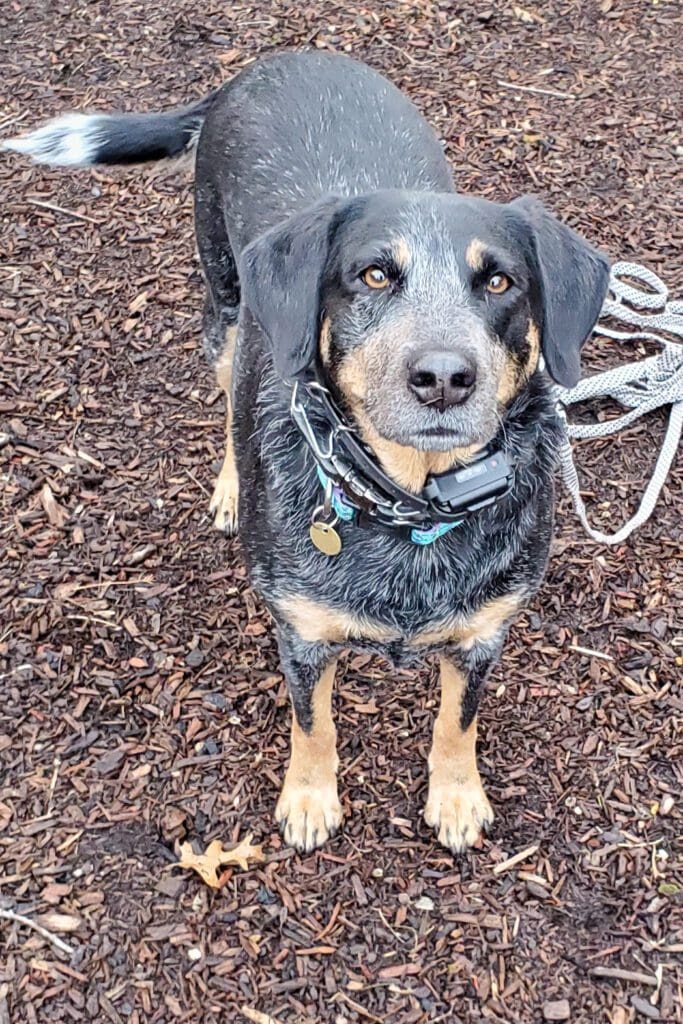
How Training Works
Remote Collar Training includes four private one-on-one sessions working directly with you and your dog.
Training begins on leash so both the dog and the owner can learn the timing and skills that make the system work.
As the dog begins to understand what is expected, the remote collar allows owners to guide their dog clearly, even when they are farther away or when distractions increase.
We offer in-home training throughout Greater Boston and the North Shore, where practicing routines in the home environment is most useful.
Between sessions, owners continue practicing at home so new behaviors become reliable habits.
Like all of our programs, lasting results come from consistent practice and commitment from the household between sessions and beyond.
Pricing
Start the Conversation
The first step is completing the Dog Coach Assessment so we can understand your dog and recommend the best training path.
The assessment takes about 7–10 minutes and helps us guide you toward the program that will be most effective for your dog.
After submitting the assessment, you will be able to schedule a complimentary 30-minute consultation call to discuss your dog and the next steps. This process helps us make sure the training we recommend is the right fit for your dog and household.