|

The Dog Training Session Is Over. Now What?

Most people focus on what happens during dog training sessions.

The lessons. The commands. The techniques.

That’s understandable. Training is the visible part of the process.

But after more than a decade working with families and their dogs, we’ve learned that what happens after the trainer leaves often matters just as much.

Eventually, every training program reaches the same point: 

The lesson ends. You’re at home alone with your dog. Life returns to normal. That’s where the real work begins.

Dog Training Is About More Than Teaching Commands

Many owners come to us because something about life with their dog feels difficult.

Maybe the dog pulls on walks. Maybe they’re reactive. Maybe they’re constantly jumping, barking, pacing, or unable to settle. Or maybe they’ve already been through training and know plenty of commands, but life with them still feels more difficult than it should.

But over time, many owners discover that behavior change rarely happens because a dog learned a command. It happens when that command becomes useful in everyday life.

A dog may already know “sit,” “down,” and even “place.”

The bigger question is whether those skills hold up when real life happens.

Can the dog settle while guests are visiting?

Can they listen when another dog walks by?

Can they stay calm when the house becomes busy and exciting?

Can they make good decisions when nobody is standing nearby holding a treat?

The goal isn’t simply teaching commands. The goal is creating transferable skills that owners can use in the situations that matter most.

We Often Meet Dogs Who Already Know Quite A Bit

Some of our clients come to us after puppy classes. Others have worked with previous trainers. Some have even completed board-and-train programs.

In many cases, the dog already knows a lot.

They can sit. They can down. They understand basic obedience.

Yet the family is still struggling.

That doesn’t necessarily mean the previous training failed.

More often, it means the hard part hasn’t happened yet.

Training is one thing.

Integrating training into everyday life is something else entirely.

Different family members communicate differently. Schedules change. Old habits return. Expectations become inconsistent.

The challenge is often not whether the dog learned the skill.

The challenge is whether that skill transfers into real life.

Real Life Is Where Training Gets Tested

Most dogs can learn a behavior.

The question is whether they can perform it when life becomes hectic, busy, and overstimulating.

A guest arrives unexpectedly.

A child leaves the gate open.

A dog spots a squirrel halfway through a walk.

A busy week throws everyone’s routine off track.

This is where coaching becomes important.

Our job isn’t simply to teach a behavior. It’s to help families apply those skills in the situations they encounter every day.

Sometimes that means helping a family navigate visitors arriving at the house. Sometimes it means helping a dog settle during the workday. Other times it means identifying the routines, habits, and expectations that unintentionally keep a problem going.

This is one reason we take a comprehensive approach to dog training.

Teaching a dog a skill is only part of the process.

Helping owners understand how to use that skill consistently in real life is what creates lasting change.
Why Owner Involvement Matters

No trainer lives with your dog.

We aren’t there when visitors arrive.

We aren’t there on busy weekday mornings.

We aren’t there when routines fall apart, schedules change, or life gets stressful.

You are.

Dogs learn from what happens every day. They learn from routines, boundaries, consistency, and repetition. Whether intended or not.

That’s why we spend so much time helping owners understand not only what to do, but why it works.

Because lasting change depends on much more than a training session.

Meeting Families Where They Are

Every family starts somewhere different.

Some dogs arrive with very little formal training. Others already know dozens of commands.

That distinction matters less than many people think.

We’re not interested in checking boxes or testing what commands a dog knows.

We’re interested in understanding how those skills transfer into everyday life.

Where is communication breaking down?

What situations feel difficult?

What patterns keep repeating?

Those answers tell us far more than whether a dog can sit on command.

Our role is to meet families where they are and help them build from there.

For some dogs, that means creating structure and consistency for the first time. For others, it means helping owners apply skills their dog already knows in a way that works in everyday life. It also means helping families troubleshoot challenges as they arise, identify patterns they may not have noticed, and make small adjustments that can have a meaningful impact on their day-to-day experience with their dog. Often, optimizing life with a dog isn’t about teaching something entirely new—it’s about understanding what’s already happening and refining it in a way that supports long-term success.

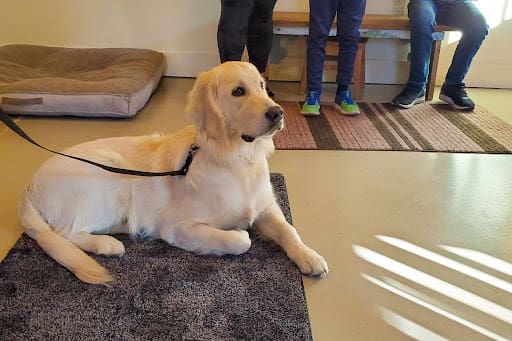
Golden Retriever laying down

The Real Goal

We’re not interested in creating dogs that perform beautifully for a trainer.

We’re interested in helping families live successfully with their dogs.

The goal isn’t simply teaching a dog a skill.

The goal is to help that skill become part of everyday life.

Because that’s where training stops being an exercise and starts becoming a way of living with your dog.

Similar Posts

  • |

    Having a Well-Socialized Dog

    Socialization of your dog is built on your human-canine relationship before it’s time for a fun canine-canine interaction. Leadership precedes socialization. Socialization of dogs goes beyond the simple concept of “mixing with others” and “let the dogs work it out.” Your dog is properly socialized when he has learned to behave acceptably whether he is…

  • |

    Using Food to Train Your Dog: the Power of Mealtime

    [et_pb_section fb_built=”1″ _builder_version=”4.16″ global_colors_info=”{}”][et_pb_row column_structure=”3_4,1_4″ _builder_version=”4.16″ background_size=”initial” background_position=”top_left” background_repeat=”repeat” global_colors_info=”{}”][et_pb_column type=”3_4″ _builder_version=”4.16″ custom_padding=”|||” global_colors_info=”{}” custom_padding__hover=”|||”][et_pb_text admin_label=”Text” _builder_version=”4.19.5″ vertical_offset_tablet=”0″ horizontal_offset_tablet=”0″ z_index_tablet=”0″ text_text_shadow_horizontal_length_tablet=”0px” text_text_shadow_vertical_length_tablet=”0px” text_text_shadow_blur_strength_tablet=”1px” link_text_shadow_horizontal_length_tablet=”0px” link_text_shadow_vertical_length_tablet=”0px” link_text_shadow_blur_strength_tablet=”1px” ul_text_shadow_horizontal_length_tablet=”0px” ul_text_shadow_vertical_length_tablet=”0px” ul_text_shadow_blur_strength_tablet=”1px” ol_text_shadow_horizontal_length_tablet=”0px” ol_text_shadow_vertical_length_tablet=”0px” ol_text_shadow_blur_strength_tablet=”1px” quote_text_shadow_horizontal_length_tablet=”0px” quote_text_shadow_vertical_length_tablet=”0px” quote_text_shadow_blur_strength_tablet=”1px” header_text_shadow_horizontal_length_tablet=”0px” header_text_shadow_vertical_length_tablet=”0px” header_text_shadow_blur_strength_tablet=”1px” header_2_text_shadow_horizontal_length_tablet=”0px” header_2_text_shadow_vertical_length_tablet=”0px” header_2_text_shadow_blur_strength_tablet=”1px” header_3_text_shadow_horizontal_length_tablet=”0px” header_3_text_shadow_vertical_length_tablet=”0px” header_3_text_shadow_blur_strength_tablet=”1px” header_4_text_shadow_horizontal_length_tablet=”0px” header_4_text_shadow_vertical_length_tablet=”0px” header_4_text_shadow_blur_strength_tablet=”1px” header_5_text_shadow_horizontal_length_tablet=”0px” header_5_text_shadow_vertical_length_tablet=”0px” header_5_text_shadow_blur_strength_tablet=”1px” header_6_text_shadow_horizontal_length_tablet=”0px” header_6_text_shadow_vertical_length_tablet=”0px” header_6_text_shadow_blur_strength_tablet=”1px” box_shadow_horizontal_tablet=”0px” box_shadow_vertical_tablet=”0px”…

  • |

    10 Things to Do Instead of Going to the Dog Park

    While dog parks may seem like a good idea, they can compromise your dog’s calm, manageable state of mind and all the work you’ve done on training your dog. You can never be quite sure who is there and how other dogs will behave. Instead, opt for one of these choices that support your balanced…

  • Everyday Dog Training Opportunities

    [et_pb_section fb_built=”1″ _builder_version=”4.16″ global_colors_info=”{}”][et_pb_row column_structure=”3_4,1_4″ _builder_version=”4.21.0″ _module_preset=”default” global_colors_info=”{}”][et_pb_column type=”3_4″ _builder_version=”4.21.0″ _module_preset=”default” global_colors_info=”{}”][et_pb_text _builder_version=”4.21.0″ vertical_offset_tablet=”0″ horizontal_offset_tablet=”0″ z_index_tablet=”0″ text_text_shadow_horizontal_length_tablet=”0px” text_text_shadow_vertical_length_tablet=”0px” text_text_shadow_blur_strength_tablet=”1px” link_text_shadow_horizontal_length_tablet=”0px” link_text_shadow_vertical_length_tablet=”0px” link_text_shadow_blur_strength_tablet=”1px” ul_text_shadow_horizontal_length_tablet=”0px” ul_text_shadow_vertical_length_tablet=”0px” ul_text_shadow_blur_strength_tablet=”1px” ol_text_shadow_horizontal_length_tablet=”0px” ol_text_shadow_vertical_length_tablet=”0px” ol_text_shadow_blur_strength_tablet=”1px” quote_text_shadow_horizontal_length_tablet=”0px” quote_text_shadow_vertical_length_tablet=”0px” quote_text_shadow_blur_strength_tablet=”1px” header_text_shadow_horizontal_length_tablet=”0px” header_text_shadow_vertical_length_tablet=”0px” header_text_shadow_blur_strength_tablet=”1px” header_2_text_shadow_horizontal_length_tablet=”0px” header_2_text_shadow_vertical_length_tablet=”0px” header_2_text_shadow_blur_strength_tablet=”1px” header_3_text_shadow_horizontal_length_tablet=”0px” header_3_text_shadow_vertical_length_tablet=”0px” header_3_text_shadow_blur_strength_tablet=”1px” header_4_text_shadow_horizontal_length_tablet=”0px” header_4_text_shadow_vertical_length_tablet=”0px” header_4_text_shadow_blur_strength_tablet=”1px” header_5_text_shadow_horizontal_length_tablet=”0px” header_5_text_shadow_vertical_length_tablet=”0px” header_5_text_shadow_blur_strength_tablet=”1px” header_6_text_shadow_horizontal_length_tablet=”0px” header_6_text_shadow_vertical_length_tablet=”0px” header_6_text_shadow_blur_strength_tablet=”1px” box_shadow_horizontal_tablet=”0px” box_shadow_vertical_tablet=”0px” box_shadow_blur_tablet=”40px” box_shadow_spread_tablet=”0px” global_colors_info=”{}”] When…

  • | |

    How to Crate Train a Dog for Calm Behavior (Not Just Containment)

    Full crate training teaches your dog to self-settle in their crate, with the door closed, whenever you place them there for a nap or nighttime sleep. This approach provides the greatest benefits of crate training and contributes to better behavior both inside and outside your home. Why Is Crate Training Important? Beyond the practical benefit…